Merging Anubis

Models – Hardware Choices

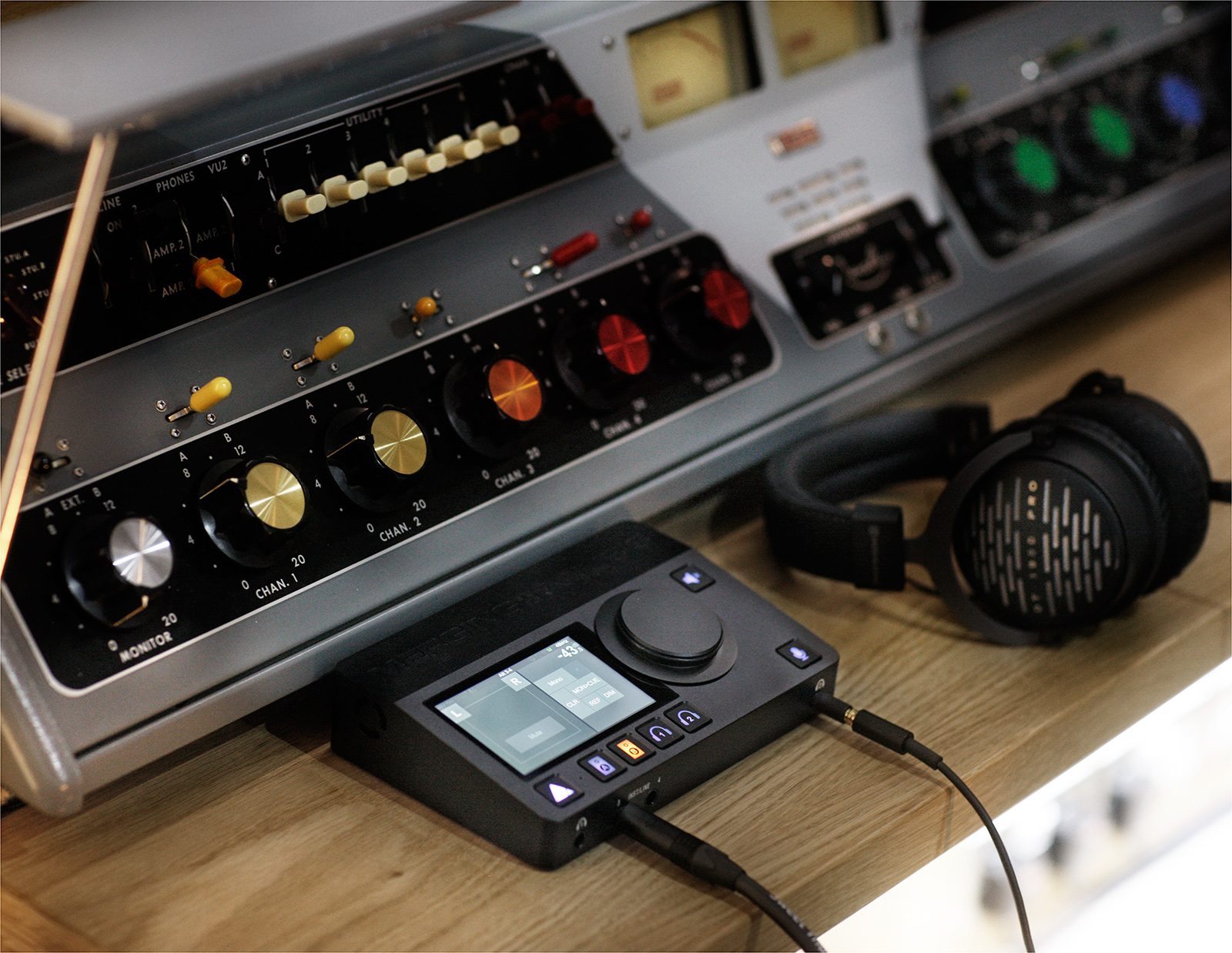
Anubis SPS offer a unique combination of features to any engineer, producer or musician looking for a compact AD/DA audio interface that delivers immense audio quality and a fully-featured monitor controller and mixer that seamlessly integrates with any DAW.

Your choice of model depends on how you want to use it. As with other Merging converters, the Anubis SPS is available as Pro or Premium models. If 192kHz is the maximum sample rate you’ll work at, go for Pro. If you are into true Hi-Res Audio and work in DXD/384kHz or in DSD, you will need Premium. Whichever flavour you choose, you get the same beautiful unibody case crafted from a single piece of aluminium with the same multi-touch display with all the same control possibilities. ONE OF A KIND–whatever the flavour

(The Anubis preamps) may well be the best mic preamps I have ever encountered in an audio interface”

– Sam Inglis, Sound On Sound

Ultimate Sound Quality

Merging Anubis is engineered with state-of-the-art converter technology, coupled with 30 years of experience in designing outstanding reference quality products. With a 32-bit dual preamp signal path from input to output, combined with a powerful low-latency mix engine and astonishing A/D performance, achieves a dynamic range of 139dB. Pristine D/A technology and incredible headphone amps, ensure that you hear what your project deserves!

Device Connectivity

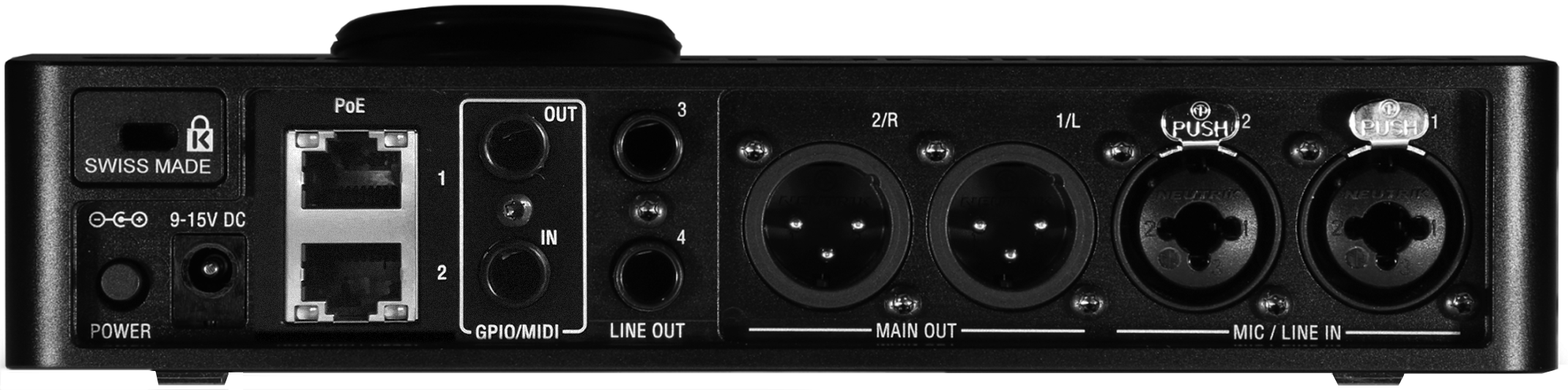
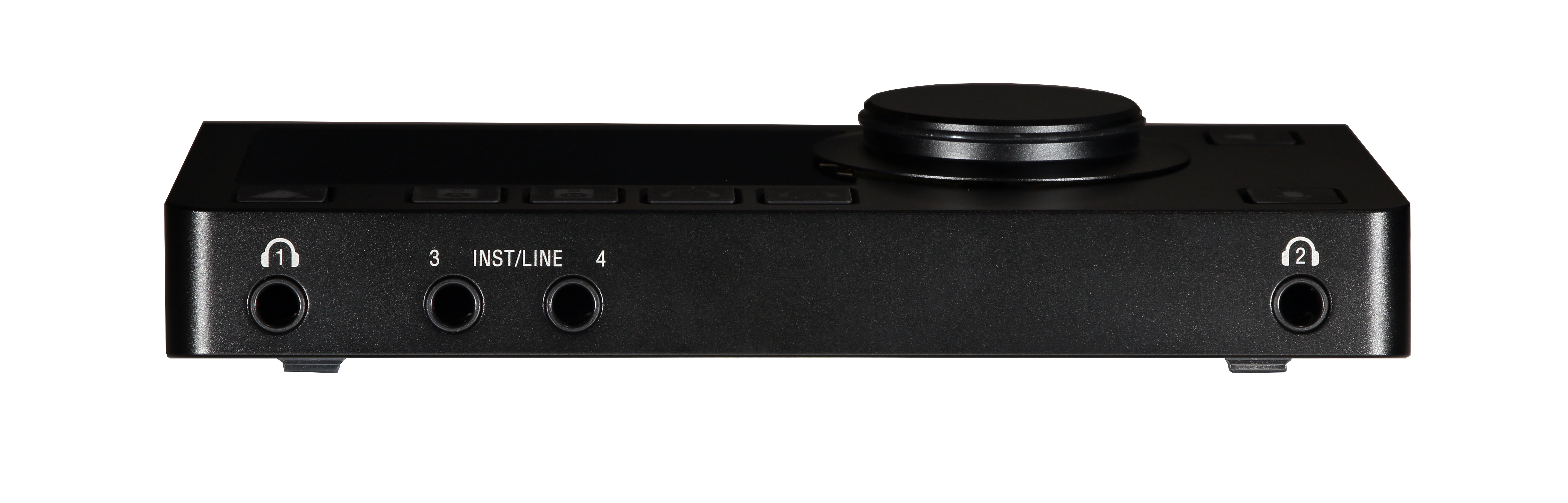
The Anubis interface has two remarkably high-quality mic/line XLR and TRS jack combo inputs, plus two front Hi Z line/instrument inputs. The outputs come with two gold plated XLR and two TRS jacks, allowing switching between two speaker sets. Furthermore, there are two independent stereo headphones outputs, built with the finest quality amplification Merging have ever done. There is also MIDI I/O, GPIO and the all-important AES67/RAVENNA or Dante RJ45 ethernet connection to connect to your Mac or PC with Core Audio and ASIO drivers.

Anubis

Exceptional Mechanics

Anubis is not just a piece of bent metal with a few dials on it. It may be a small desktop unit, but it is beautifully crafted from a single piece of aluminium. Inside is a miracle of production engineering under the guidance of masters of the miniature Sonosax.

Anubis SPS

With the addition of a second RJ45 connection, the Anubis SPS is capable of acting as a switch. Yes a switch! This fantastic new feature means you can go straight from a laptop, to Anubis SPS, to a Horus or HAPI and leave the switch at home!

If network redundancy is what you are looking for then compatibility with the ST2022-7 standard allows full redundancy for Anubis SPS. With the addition of the second RJ45 port, ST2022-7 sends two data streams into port 1 and port 2. If any data is lost in one stream then it is reconstructed from the other stream, simple and effective!

NMOS IS-04/05 allows interoperability between different manufacturers’ devices, a major step forward for easier integration into a complete IP infrastructure!

Dante

New for the Anubis, Audinate’s highly popular Dante standard is now compatible. This adds the ability to interface with the thousands of other already existing Dante compatible devices on the market.

Anubis is Dante ready out of the box meaning that users who wish to operate in Dante can purchase a license to do so. It is not included with the purchase of Anubis ensuring that users not using Dante aren’t paying for a license they don’t need.

Two licenses are available, 8×8 I/O and 64×64 I/O.

Missions Modular Software

From the initial recording through to the final master, there are specific ‘missions’ that require precision and control. MERGING+ANUBIS gives you complete control to choose the ‘mission’ application to accomplish each stage – effortlessly.
If your mission of the day is to create a great mix, you need to be in complete control of your monitoring: reference monitors, nearfields, headphones, sources, surround mix, downmix, etc., so you will be in the Monitor Mission. If your mission is to record the band or rehearse for the next gig, you will be in the Music Mission controlling the extraordinarily powerful ultra-low-latency mixer and feeding individual cue mixes to each musician. Anubis gives you that “Mission Control” in a single, compact device that has unrivalled capabilities defined by the software application. MERGING+ANUBIS allows you to boot in the mode of your choice for that day’s work.

Sonarworks SoundID Integration

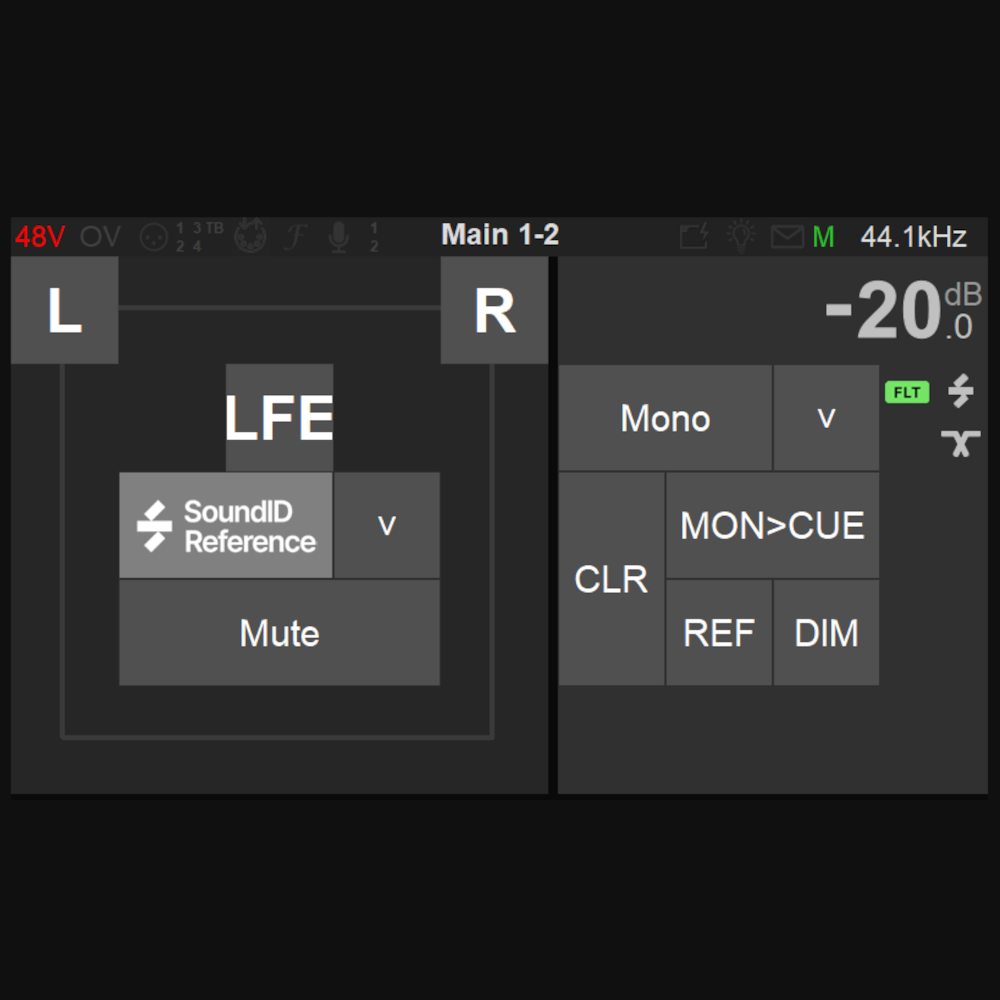
Sonarworks and Merging Technologies have partnered up to simplify the music production process for sound engineers. Music Creators will now be able to access Sonarworks’ SoundID Reference correction software directly in Anubis for the lowest possible latency and highest convenience without a computer.

Expandable

When combined with the Horus or HAPI interfaces your Anubis can increase its digital and analogue i/o. In the studio you could have multiple mic/line inputs, DA outputs, AES and MADI connections on the same network and access them all from the Anubis mixer. When you’re out and about you can take the Anubis with you and connect to your laptop and still get 2 mic inputs, dual monitor outputs and headphones in another studio or at home.

Anubis Guitar Floor

Sonarworks


SoundID Merging

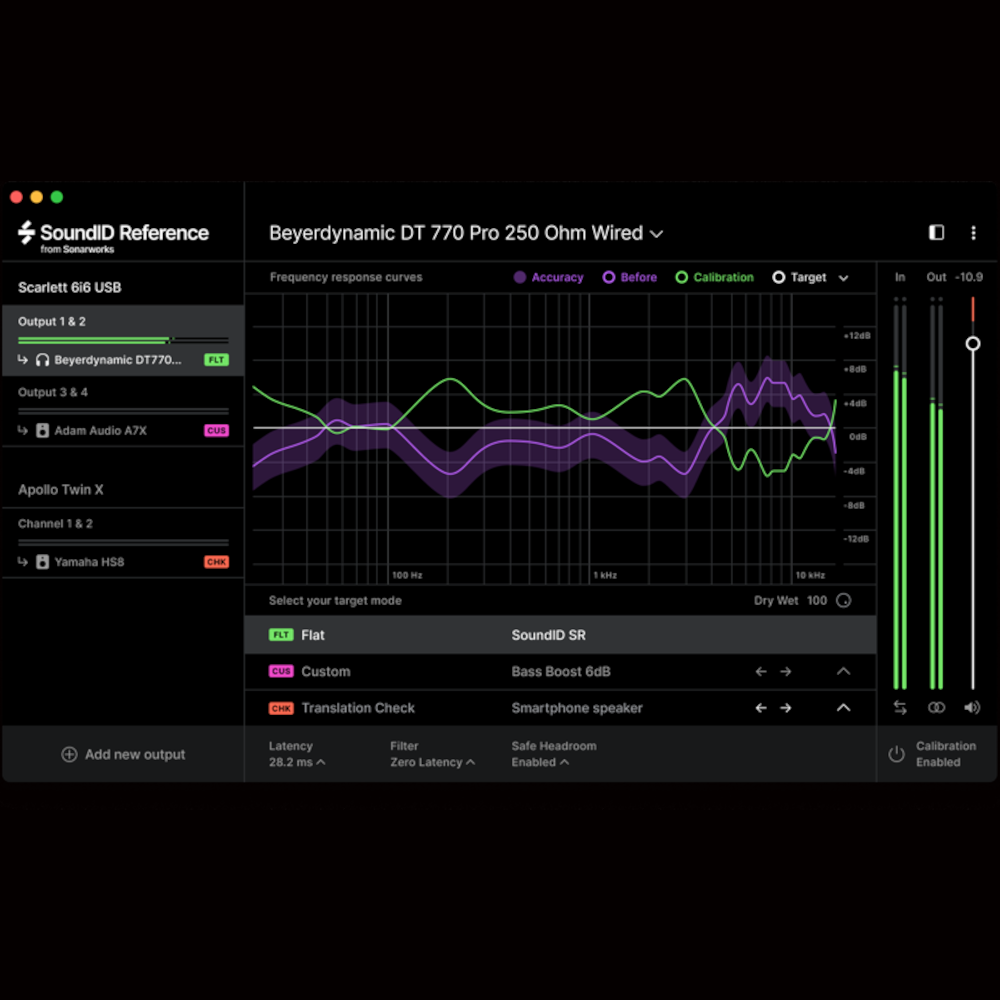
MERGING+ANUBIS is the first hardware device to enable a SoundID Reference correction outside of the computer. No need to worry about inserting SoundID Reference plugin or software on the DAW SoundID Reference (the next-generation version of formerly known Reference 4 software). SoundID is a speaker and headphone calibration software from Sonarworks removing unwanted coloration and delivering accurate studio reference sound. With SoundID Reference you can stop second-guessing yourself and trust that every mix will translate. You’ll hear a flat, consistent sound wherever you work from.

Since Anubis is meant to be the centre of the studio, having SoundID Reference correction running brings confidence that no matter which source you are listening to (DAW, Computers, live mics, etc…) you can be confident SoundID Reference correction will be applied at the lowest possible latency. (Less than 2ms @ 44.1/48 kHz, less than 1 ms at 88.2/96kHz, less than 0.5ms at 176.4/192kHz and DXD)

While SoundID Reference standalone software offers 3 different filter types (low latency, mixed and linear phase), Anubis enables SoundID Reference correction using Pyramix acclaimed EQ-X filter topology. EQ-X is a mastering EQ used for many years by our mastering customers on thousands of award-winning records around the world. The state space filter design of this Extreme Definition Equalizer has been specifically optimized to deal with the highest audio resolutions while still permitting very low noise & distortion, typically offering a THD+N of better than -110dB, throughout the entire audible (and even non-audible) range. Of course, this new digital filter’s topology, while designed with a high sample rate in mind, also offers the extra benefits and low noise to 1FS equalization.

Easily apply different SoundID Reference room correction to as many Merging Anubis speaker sets as you want (for example: Mains, Alt1, Alt2) or recall different room profiles for a specific speaker set (example: flat or XCurve) at the touch of a button on Anubis. Since the release of SoundID Reference, Sonarworks introduced the feature for various speakers, headphones and listening environment emulations (such as NS10, laptops, cars, etc…). Anubis allows you to save all these pre-sets and switch between them at the flip of a button, no need to go back into the SoundID Reference software.

In addition, Anubis Supports SoundID Reference Multichannel corrections all the way up to 9.1.6.

You can have SoundID Reference correction running at the same time on one speaker set plus a headphone output, or two headphone outputs simultaneously (even if they require different corrections).

The process is as simple as this: purchase SoundID Reference software from any Sonarworks dealer or online store, get Anubis from your favourite Merging dealer and you are ready to go! Are you already a fan of Sonarworks? You can keep your existing correction files from previous software versions (Reference 4 or Reference 3), load them in the latest SoundID Reference software and export the required files for Anubis. Smooth transition, no learning curve. Are you a fan of Sonarworks headphones correction? Treat yourself to one of the best headphones amps used by top engineers around the world.

Anubis SoundID

Anubis SoundID Monitor-Misson

Key Features

  • Mastering grade AD/DA
  • Sampling rate up to 192kHz – Pro
  • Sampling rate up to 384kHz/DXD – Premium
  • DSD support up to DSD256 – Premium
  • Direct connection of DAW running Windows, Mac OS and Linux
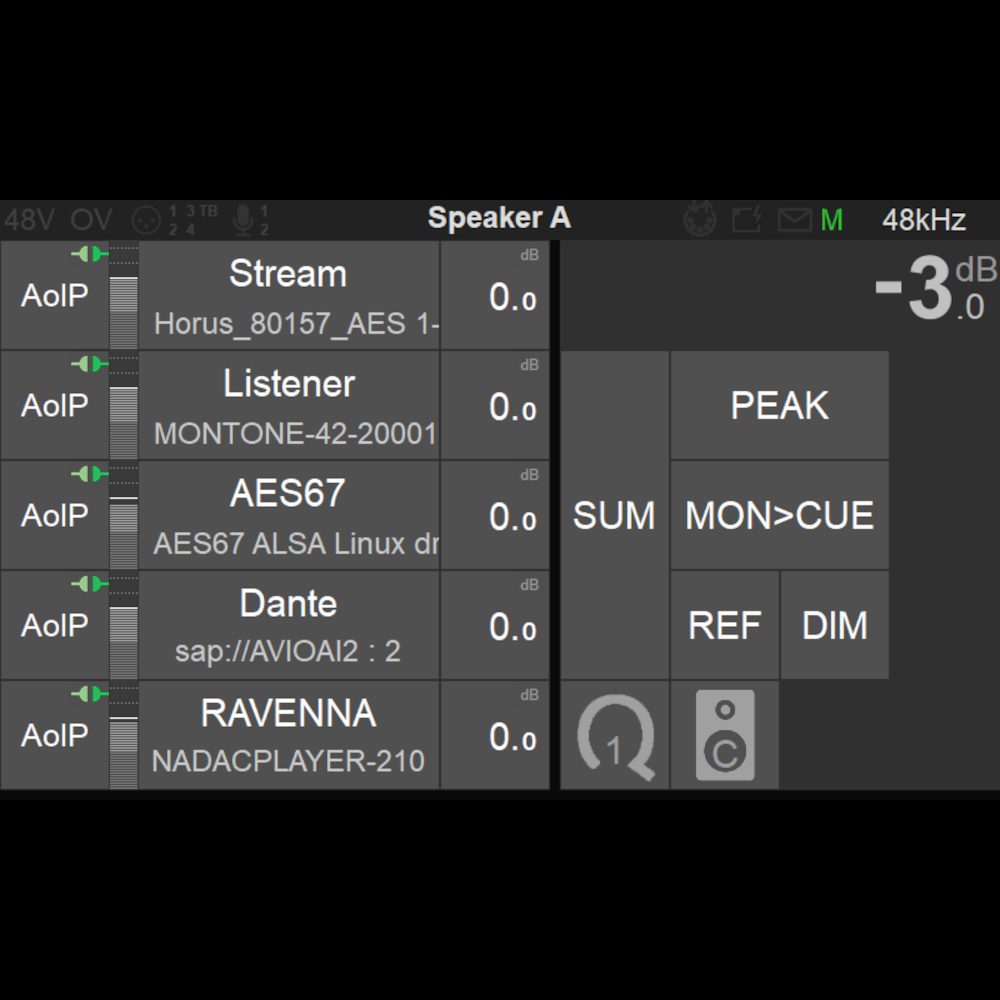
  • Direct AES67/Ravenna or Dante source monitoring
  • Direct decoding of Ambisonic source
  • Scalable and Networkable
  • Bass management, speaker alignment, down-mix, talkback and a host of other modern monitoring features.
  • Four speaker outputs
  • Four analogue inputs
  • Up to four cue mix outputs with ultra-low latency
  • Two independent stereo headphone outputs
  • Extremely powerful and polished headphone amp, suitable for ultra-low – ultra-high impedance.
  • Comprehensive UI thanks to integrated multi-touch display
  • Dedicated buttons for Volume Control, Speaker Selection, Talkback and Mute with customisation support
  • Advanced UI accessible through tablet or web browser
  • Dedicated and configurable metering page for sources and monitors
  • Flexible talkback providing control with built-in or external microphones
  • Footswitch support

Sonarworks SoundID Reference Multichannel

Music Mission

Anubis Music

Anubis-Music-Cue

The Mixer
Based on mixing console topology, the Music Mission brings you a full mixer with an ultra-low latency DSP mixing engine totally embedded into the Anubis, fully controllable from the Anubis TFT without even the need of a DAW, tablet or external program.
A complete mixer and more.

Full channel strips from top to bottom. With local and remote control of preamps, EQ, Dynamics, Reverb, Sends, Auxes and features such as; Pan, Solo, Solo PFL, Mute, Linking, Grouping, Naming and more.
The Music Mission embeds multiple mixers which allows you to create from one to five different mixes for your performers’ cues or programs. Different input sources or a unique mix balance can be routed to any outputs, thanks to the flexible bus routing.

Added are 18 x Snapshots to save and fully recall any of your mixer, masters, songs or setups with the possibility to customize your mixer layouts.

Whether you are a single musician or a professional engineer, we made sure that you can operate the Music Mission with ease, no matter your skill level.

Anubis-Music-Mixer

Monitors and Cues
The Music Mission provides all the necessary Monitoring controls with; Ref, Dim, Mono, Downmix and exclusive monitoring Mutes. Along with A/B speaker set support, 2.1 and 2.2 with crossover and built-in crossfeed for headphones.
Advanced Monitor features with full control over your Performers’ Cues.

Create and Monitor your artists’ cues, interact and talk to any musician or all of them at once. The Music Mission includes monitoring features that are the equal of large scale consoles.

The Anubis Ultra-low Latency Cue Mixers are the perfect tools to put your musicians at ease and have them deliver the best performances possible. Cues can be used when recording, overdubbing, playing live or for independent program distribution.

We made sure that you can monitor with an ideal feature set and are able to listen any output while keeping full control over what comes out of your mixers.

Built In Effects
Included free in every Anubis are 3 high quality effects that can operate at the highest PCM frequencies. Apply those effects to your monitoring, recordings or live performance on any Strips, Buses or Returns and recall at any time one of your 18 available effects snapshots.

MERGING+EQ:
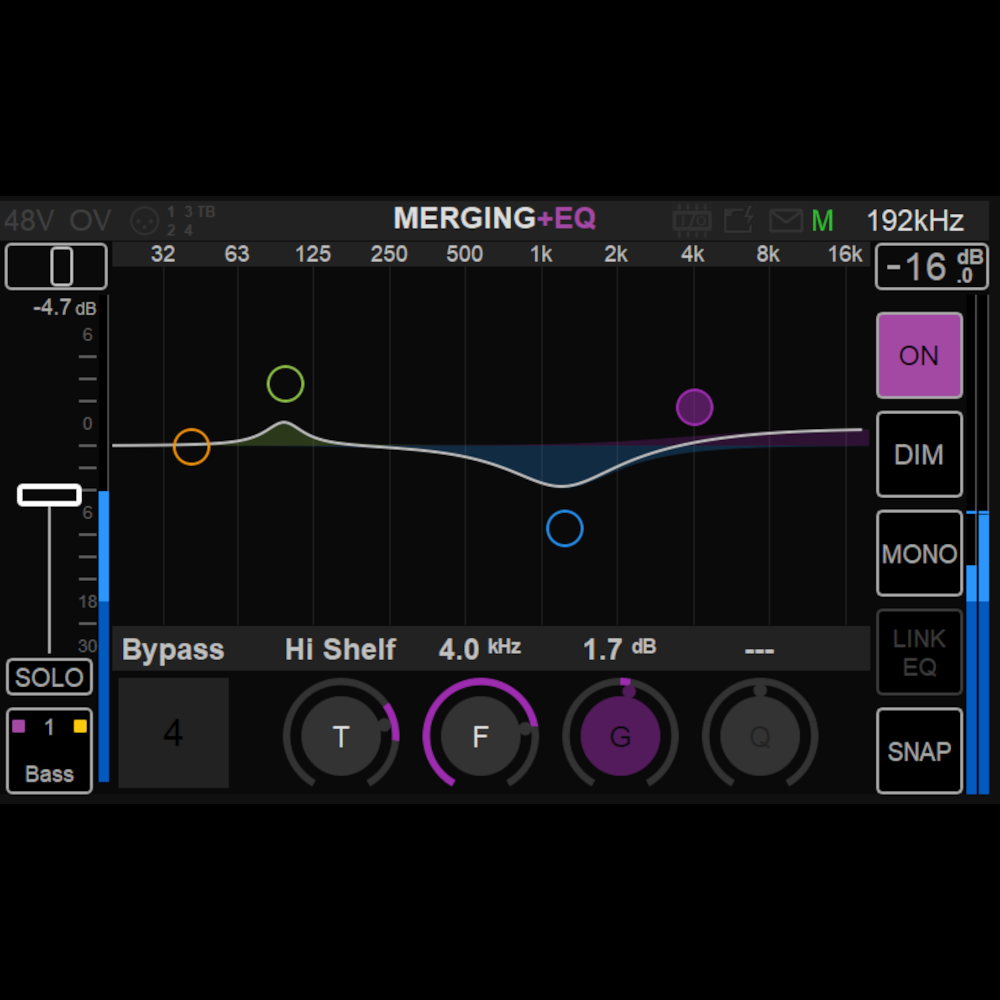
The Merging Anubis Music Mission 4 band EQ is built on the existing and universally acclaimed quality of the Pyramix EQ-X and offers Extreme Definition filtering at sampling frequencies up to DXD (352.8kHz).
EQ can be applied to any inputs (Local or Peered) or to any bus output (e.g. for headphones or room correction).
21 EQ instances are available at any sampling rate

MERGING+DYNAMICS:
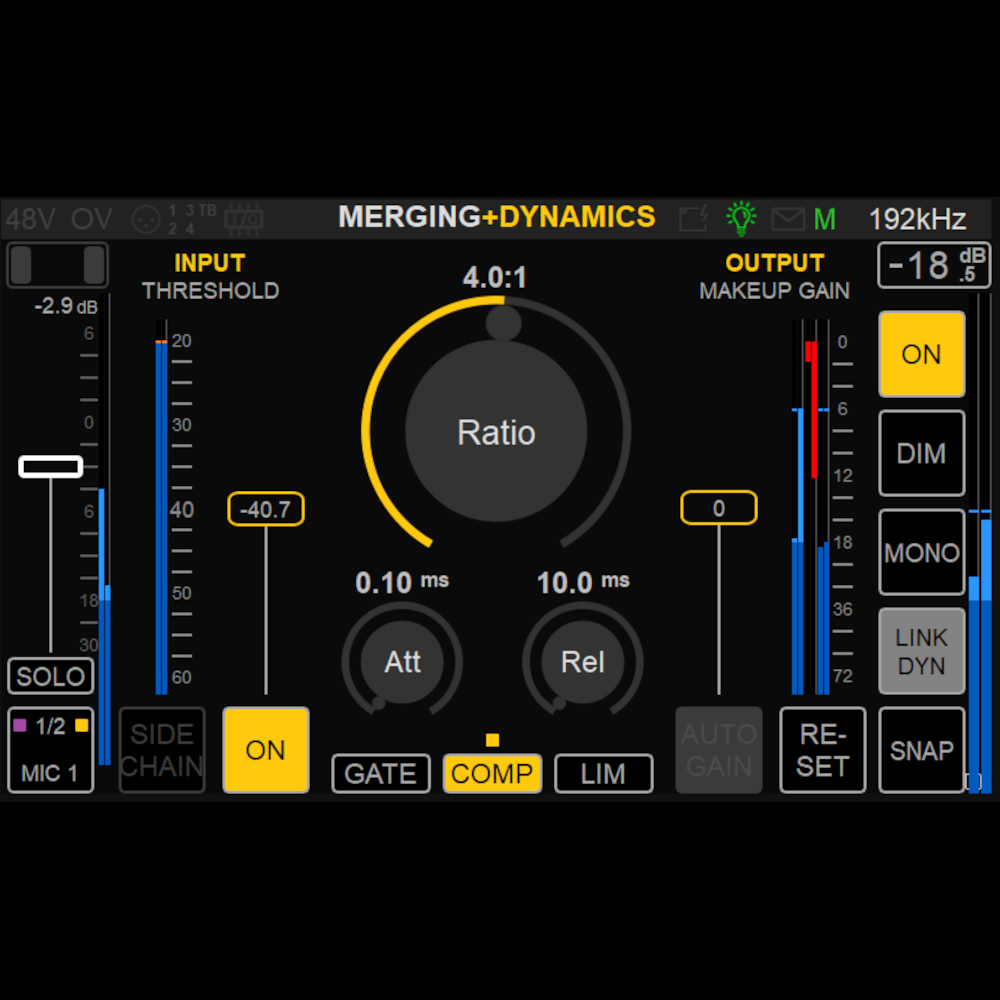
The Anubis Built-in FPGA Dynamics effect includes multi-modules. 1 X Gate, 1 X Compressor and 1 X Limiter that can be combined in series. With each module having its own parameter values.

Limit your outputs buses or strip channel, apply compression to your strips, gate your snares or kick, compress and limit your vocals, compress your drums in parallel and more.

The Dynamics can operate in Mono or Stereo mode (Link Dyn)
64 x DYNAMICS instances are available at 1FS (44.1/48kHz)

MERGING+REVERB:
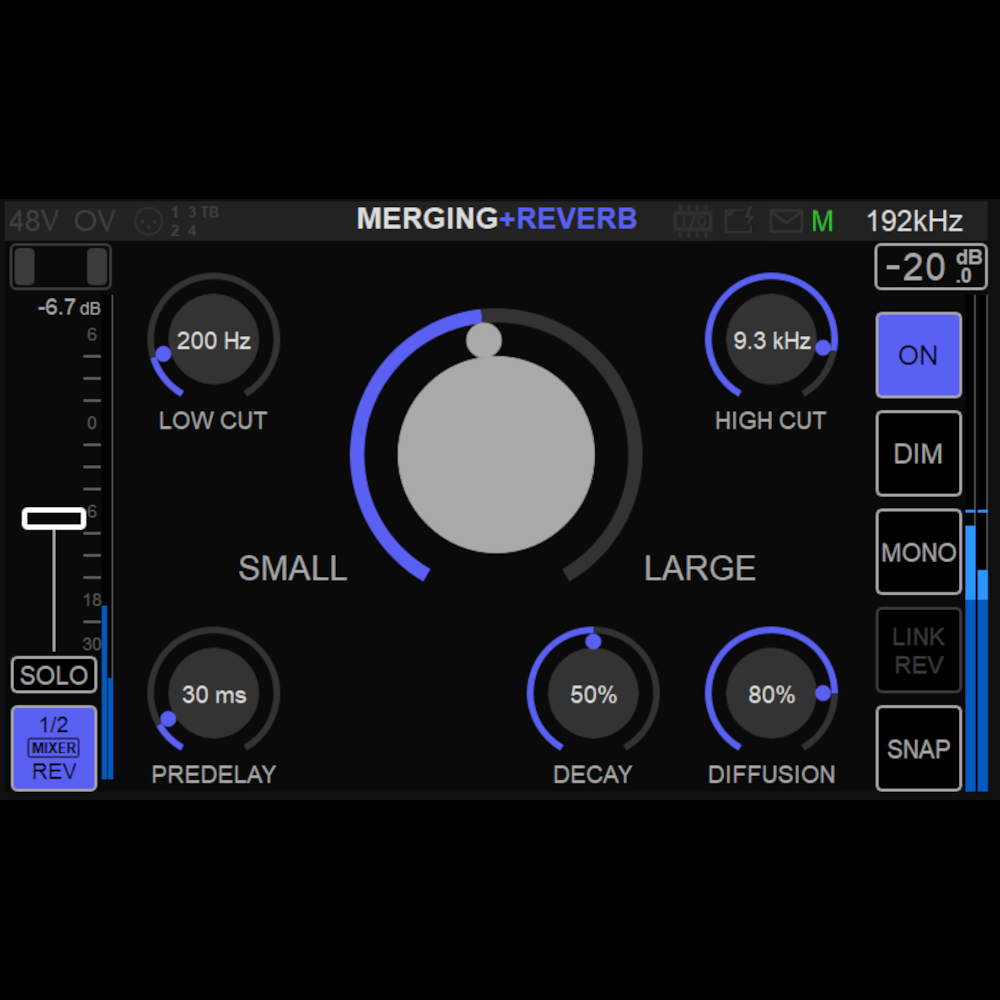
An ideal stereo reverb to put your performer at ease. Apply reverb in your ultra-low latency mixes on vocal, guitars, drums and more. Dial in your parameters from a simple user-friendly interface and quickly give your performer a sense of space. Using low diffusion values will increase the reflexional effect and perform as a Delay.

The perfect solution for your performer’s CUE. Apply effects to your performers’ ultra-low latency cue mixes and give them the perfect listening environment with Equalization, Compression and Reverb on their channel inputs to get the best performance out of your artist. Those effects can be used in standalone, or can be routed back to a DAW for recording or for loopback processing applications.

3 SENDS for Externals
Users can also use their favorite external hardware. If you have a distortion pedal or an analog hardware EQ, the Music Mission has 3 SENDS for externals so that you can quickly integrate those into the mixer and apply those effects to any Channel Strip.

Monitor Mission

Anubis + Monitor

Anubis-Monitor-Selector

Monitor System
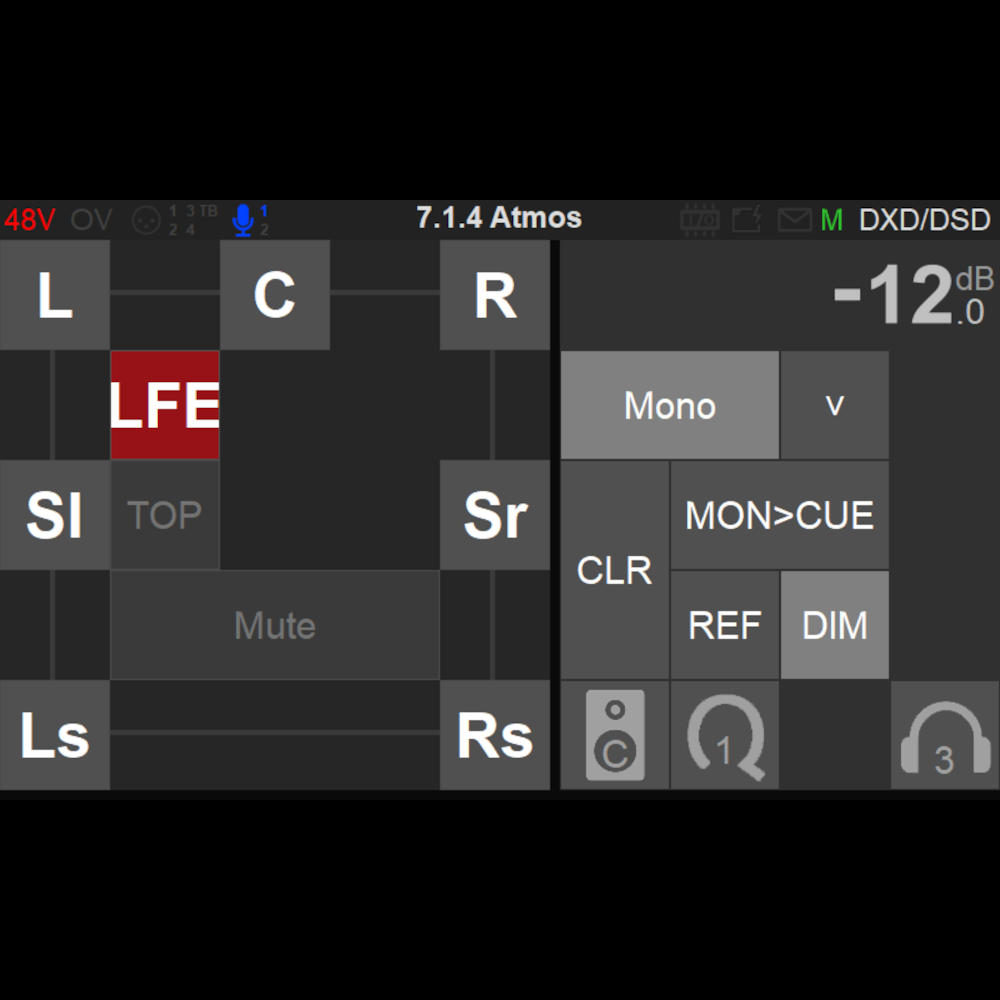
From mono to immersive setup, the Anubis Monitor Mission is the centre of audio monitoring operations. The touch screen TFT, the dedicated buttons and the encoder enable direct access from basic to advanced functions of the speaker system, headphones and cues.

This includes metering, bass management, room correction, delays and downmix on all 32 output channels. Audio I/O channels can be extended to other devices such as Horus, Hapi or any AES67/RAVENNA device via the Peering feature directly accessible from the Anubis screen. Updating workflows for immersive audio playback is as simple as it gets.

During a recording session, in addition to precision monitoring of the performance, integrated talkback enables easy communication. Any audio (over IP) sources including the built-in mic can act as a talkback input.

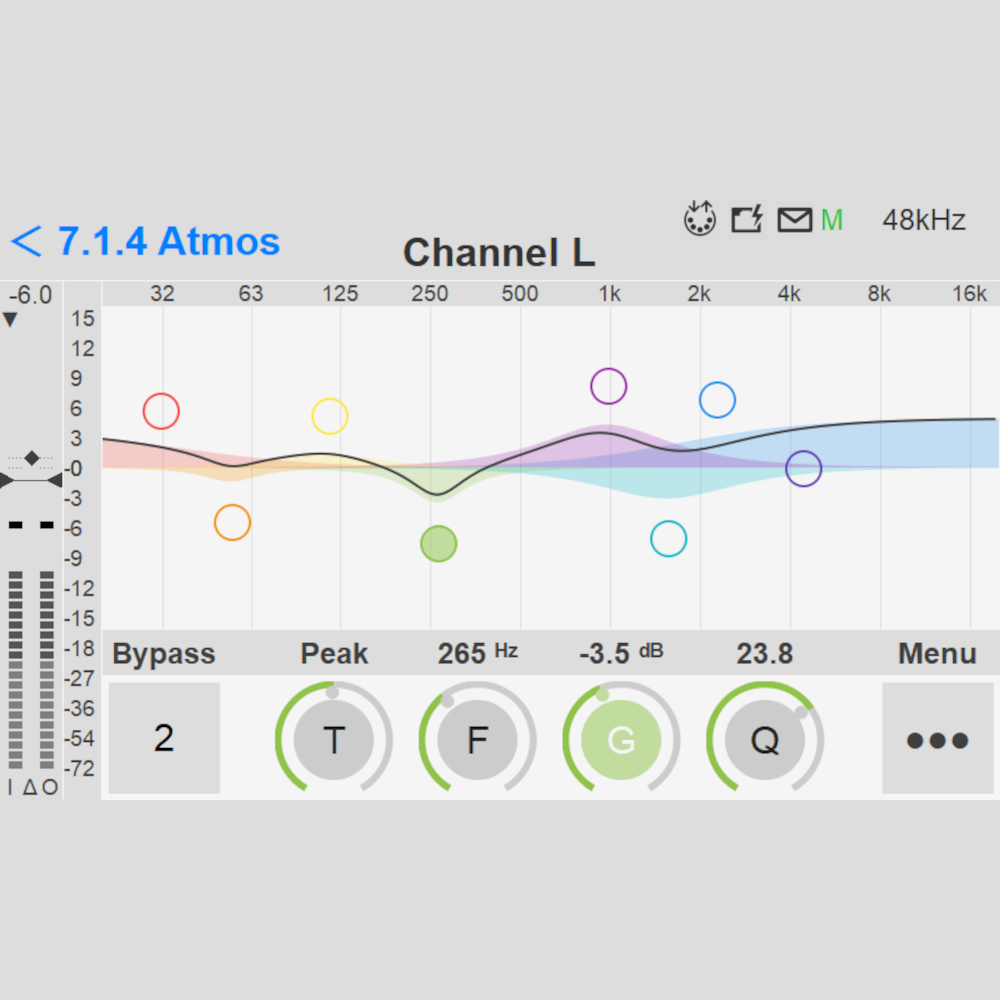
Anubis-Monitor-EQ

Monitor Calibration
Under the hood, Anubis embeds some DSP for audio filtering and mixing purpose. In a monitor controller, filters are very useful in many situations such as room correction, bass management, active channel speaker filtering, headphone adjustment, etc. Each output channel can be adjusted with a graphical EQ offering visual and precise adjustments.

On each speaker set, bass management may be engaged and the output channels may be shared and/or split. This offers wonderful flexibility for any speakers system setup. As an example LFE channels can be routed to the subwoofer in Speaker set A and the same subwoofer can drive the bass content in Speaker set B. You can then go from A to B with a simple click or via a footswitch.

On top of filtering, delays up to 200ms may be added on the 32 output channels for Speaker position adjustment and/or video synchronization.

Sources Selection
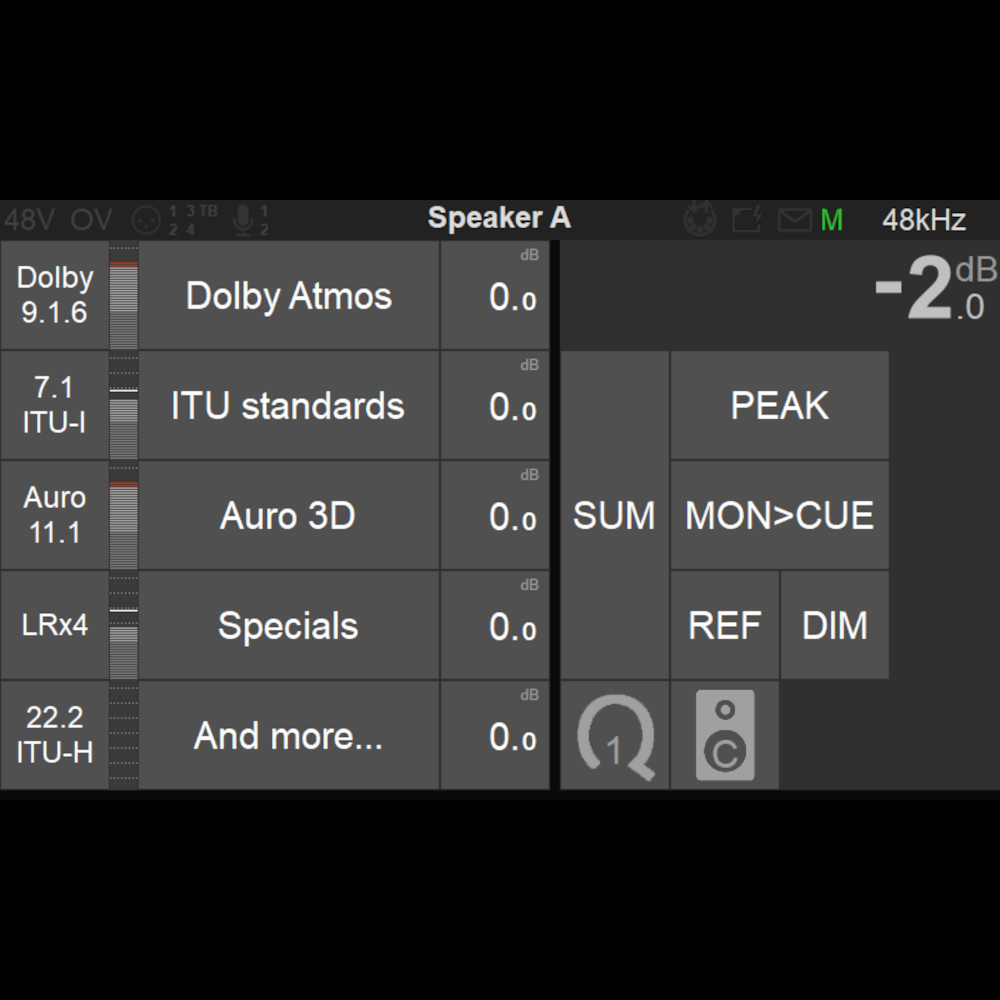
Whether monitoring through speakers, Headphones or a Cue send, you can listen to any available Source regardless of its format. The auto down-mixer can make it fit whichever format you want to listen in. Anubis handles everything from mono all the way to Dolby 9.1.6, Auro and even NHK 22.2! Merging Anubis even allows “on the fly” monitoring of Ravenna/AES67 stream present on the network without needing to configure it as a source. Ideal for keeping on top of large AoIP networks.

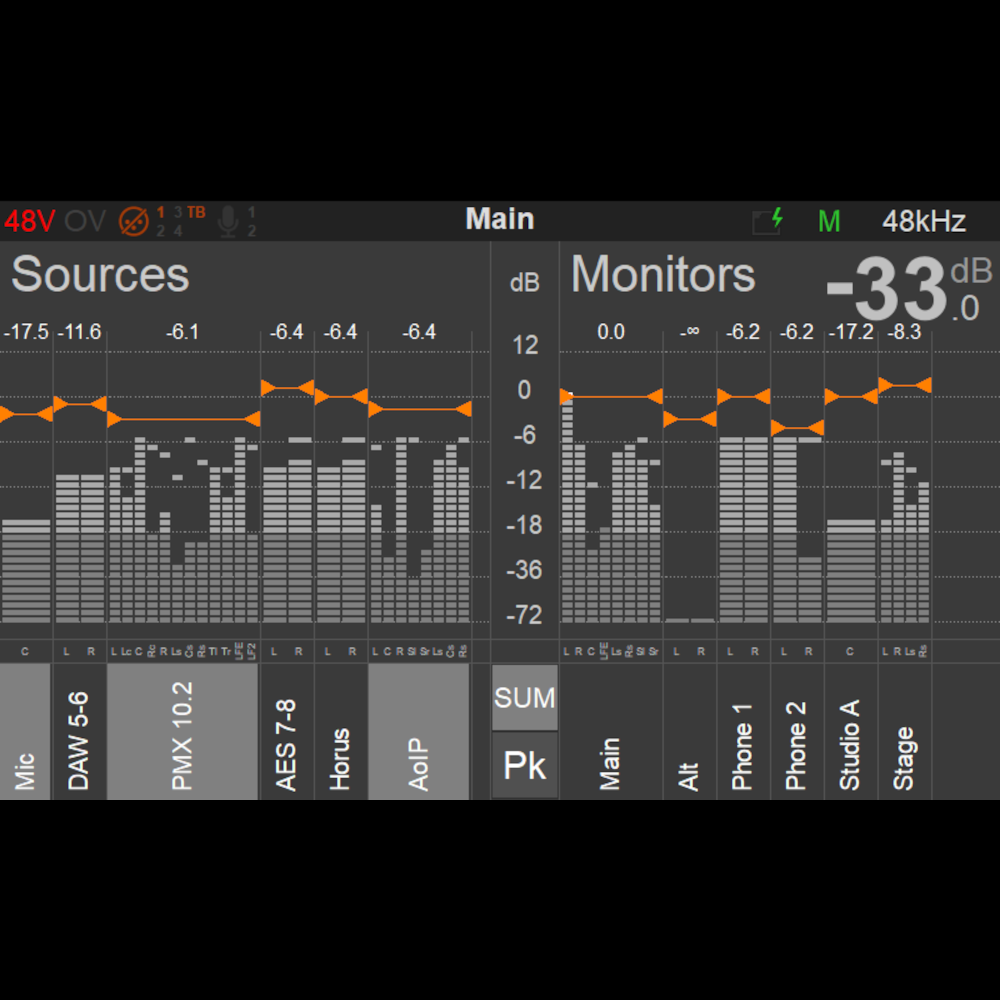
Merging’s 30 years of leadership in pioneering technologies such as DSD/DXD means you get the ultimate digital audio summing right within your monitoring box. A visual audio metering page gives an overview of all audio within the Anubis including monitors/sources name, channel set, trims, patch and peaks.

ANUBIS ADD-ON MISSIONS

ANUBIS ADD-ON PLUGINS

Merging Anubis at Such Sweet Thunder.

General Specifications

Case Material Premium Machined and Anodized Aluminium
Dimension 200 x 128 x 40 mm
Weight 950 g
Top Panel Display Capacitive Touch, TFT LCD at 800 x 480 px, 16:9 Aspect Ratio
Rotary Encoder Anodized Aluminium + Black Rubber O-Ring
7x Hardware and Soft Buttons RGB LEDs
Bottom Panel Mic Stand Thread 3/8″ 16 BSW European Thread Incorporated*
Front Panel TFT Size/Resolution OLED (160 x 128 px)
Windows Driver/OS Windows 7 64 Bit / Windows 8.1 64 Bit:
RAVENNA ASIO V12.0 (ASIO 2.2)
Windows 10 64 Bit: MAD v2.0 (Merging Audio Device)
Mac Driver/OS VAD Core Audio for MacOS 10.8.5 or Higher (Intel & M1)
Linux Driver/OS ALSA Linux Driver for RAVENNA/AES67
Aneman Version 1.1.7 and above

*Americas 5/8″ 27UN Adapter not included

AD/DA Conversion and Complimentary I/O

Supported Sample Rate – Pro 44.1 up to 192 kHz
Supported Sample Rate – Premium 44.1 up to 352.8 kHz (DXD), 384 kHz and DSD64/128/256
Bit Depth Per Sample 32
A/D Latency Sharp Short Delay @ 44.1 to 96 kHz 5 Samples
A/D Latency Sharp Short Delay @ 176.4 to 192 kHz 6 Samples
A/D Latency Sharp Short Delay @ 352.8 to 384 kHz 7 Samples
D/A Latency Sharp @ 44.1 to 384 kHz 35 Samples
D/A Latency Slow @ 44.1 to 384 kHz 9 Samples
D/A Latency Apodizing @ 44.1 to 384 kHz 35 Samples
D/A Latency Brickwall @ 44.1 to 384 kHz 35 Samples
RAVENNA/AES67 (Gigabit Ethernet) Locking EtherCON Compatible with standard RJ45 Connectors
Built-in Talkback Microphone Mono Omnidirectional CMOS/MEMS Membrane Technology
GPI/MIDI Input 1/4″ TRS Female
GPO/MIDI Output 1/4″ TRS Female

Microphone Inputs 1-2

Connector Type Combo Locking Neutrik XLR/TRS
Dynamic Range Mic/Mic Boost 137/128 dB (A-weighted, typ)
Max Input Level Mic Pad/Mic/Mic Boost +24 dBu / +12 dBu / +0 dBu
Frequency Response +0 / -0.2 dB @ FS = 48 kHz 9 Hz – 22 kHz
Frequency Response +0 / -0.2 dB @ FS = 96 kHz 9 Hz – 46 kHz
Frequency Response +0 / -0.2 dB @ FS = 192 kHz 11 Hz – 94 kHz
THD+N Preamp + A/D 1 kHz @ 0 dBFS < – 110 dB (0.0003%)
Interchannel Crosstalk @ 1 kHz < -130 dB
Equivalent Input Noise Mic/Mic boost (150 Ω Source) < -125 dBu / -128 dBu (A-weighted, typ)
Common Mode Rejection Rate (20 Hz – 20 kHz) > 80 dB
Input Impedance (Differential) ~ 10 kΩ
Gain Range (Software Controlled) 0 dB to + 66 dB
Gain Step Coarse/Fine 0.5 dB / 0.1 dB
Phantom Power (Software Switchable Per Channel) +48 V
Phase Reverse (Software Switchable Per Channel) Yes
Low Cut Filter (Software Switchable Per Channel) -12 dB/Octave, 80 Hz
5° low-end in-channel Ø deviation pt: Mic 9 Hz
Interchannel Phase 10 Hz – 100 kHz < ±2°

Line Inputs 1-2

Connector Type Combo Locking Neutrik XLR/TRS
Dynamic Range Mic/Mic Boost 139 dB (A-weighted, typ)
Max Line Input Level +24 dBu
THD+N Preamp + A/D 1 kHz @ 0 dBFS < – 104 dB (0.0006%)
Interchannel Crosstalk @ 1 kHz < -140 dB
Input Impedance (Differential) ~ 10 kΩ
Sensitivity Range for 0 dBFS (Software Controlled) +24 dBu up to -42 dBu
Common Mode Rejection Rate (20 Hz – 20 kHz) > 80 dB
5° low-end in-channel Ø deviation pt: Mic 9 Hz
Interchannel Phase 10 Hz – 100 kHz < ±2°

Main Outputs 1-2

Connector Type Neutrik XLR Male
Dynamic Range 123 dB (A-weighted, typ)
Max Output Level (Differential/Single Ended) +24 dBu (12.2 Vrns / +18 dBu (6.1 Vrms)
Frequency Response +0 / -0.2 dB @ FS = 48 kHz 6 Hz – 22 kHz
Frequency Response +0 / -0.2 dB @ FS = 96 kHz 2 Hz – 46 kHz
Frequency Response +0 / -0.2 dB @ FS = 192 kHz 2 Hz – 92 kHz
Output Impedance < 70 Ω
THD+N 1 kHz @ 0 dBFS < -110 dB (0.0003%)
Attenuation Range (Software Controlled) – ∞ dB to 0 dB
Gain Step/Precision 0.5 dB / ±0.05 dB

Line Outputs 3-4

Connector Type 1/4″ TRS Female
Dynamic Range 123 dB (A-weighted, typ)
Max Output Level (Differential/Single Ended) +24 dBu (12.2 Vrns / +18 dBu (6.1 Vrms)
Output Impedance < 70 Ω
THD+N 1 kHz @ 0 dBFS < -110 dB (0.0003%)
Output Level Matching ±0.01 dB
Attenuation Range (Software Controlled) – ∞ dB to 0 dB
Gain Step/Precision 0.5 dB / ±0.05 dB

Instrument/Hi-Z & Line Inputs 3-4

Connector Type 1/4″ TRS Female
Dynamic Range, ref +18 dBu 136 dB (A-weighted, typ)
Max Input Level +18 dBu
Input Impedance (Single Ended/Differential) ~ 1MΩ / ~ 2MΩ
Gain Range (Software Controlled) 0 dB to + 66 dB
THD+N Preamp + A/D 1 kHz @ 0 dBFS < -111 dB (0.0003%)
Interchannel Crosstalk @ 1 kHz < -150 dB
Sensitivity Range for 0 dBFS (Software Controlled) +18 dBu to -48 dBu
Common Mode Rejection Rate (20 Hz – 20kHz) > 70 dB
5° low-end in-channel Ø deviation pt: Inst/Line 2 Hz
Interchannel Phase 10 Hz – 100 kHz < ±1°

Headphones

Headphone Jack 2x Independent 1/4″ TRS Female Stereo 6.3 mm
Dynamic Range, (A-weighted, typ) High/Low < -122 dB / -117 dB
Max Output Level High/Low 17.1 dBu / 7.8 dBu
Frequency Response +0 / -0.2 dB @ FS = 48 kHz 6 Hz – 22 kHz
Frequency Response +0 / -3 dB @ FS = 96 kHz 2 Hz – 46 kHz
Frequency Response +0 / -3 dB @ FS = 192 kHz 2 Hz – 92 kHz
Output Impedance < 0.035 Ω
THD+N 1 kHz @ 0 dBFS High/Low < -108 dB (0.00039%) / -110 dB (0.0003%)
Attenuation Range (Software Controlled) – ∞ dB to 0 dB
Gain/Step Precision 0.5 dB / ±0.05 dB

Downloads

Quick Start Guide

Download

Anubis User Manual

Download

To discuss your projects needs, or to book a demo, don’t hesitate to contact us!

To get in touch, call us on 0118 402 5090